Blog
Economic Security Through Nature: How the Outdoors Improves Health and Economies
August 24, 2026
Overview
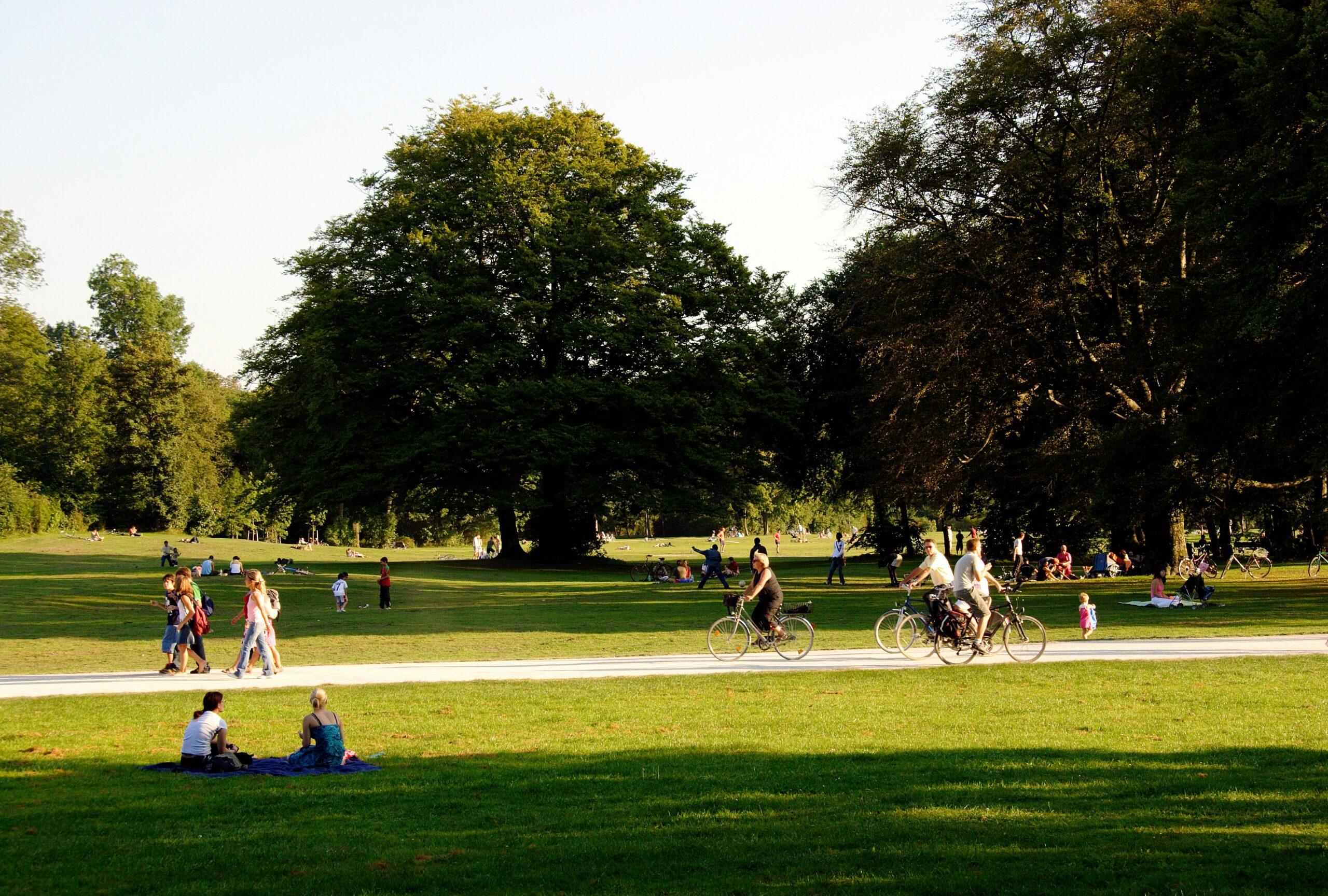
Economic development and public health are closely connected. Communities that have access to healthy natural environments often experience better health outcomes and more resilient local economies. In turn, healthier populations can contribute to stronger economic performance through higher productivity, lower healthcare costs, and a more stable workforce.
This connection is gaining attention across the country as states explore ways to support economic security and development through investments in natural assets — such as parks, green infrastructure, and clean air and water systems. These assets not only enhance quality of life but also serve as part of a state’s long-term economic foundation.
The Intersection of Health and the Economy
Healthy populations play a critical role in maintaining productive economies. Recent analyses have found that improving population health and addressing disparities can generate substantial economic gains. For example, a 2024 Deloitte report estimated that closing health equity gaps could add up to $2.8 trillion to U.S. GDP by 2040, largely through higher workforce participation and productivity. In addition, a 2023 National Institutes of Health study estimated that health disparities cost the U.S. economy $451 billion annually, underscoring how health directly influences both individual livelihoods and state-level economic resilience.
The Outdoors Boosts Health and Economic Outcomes
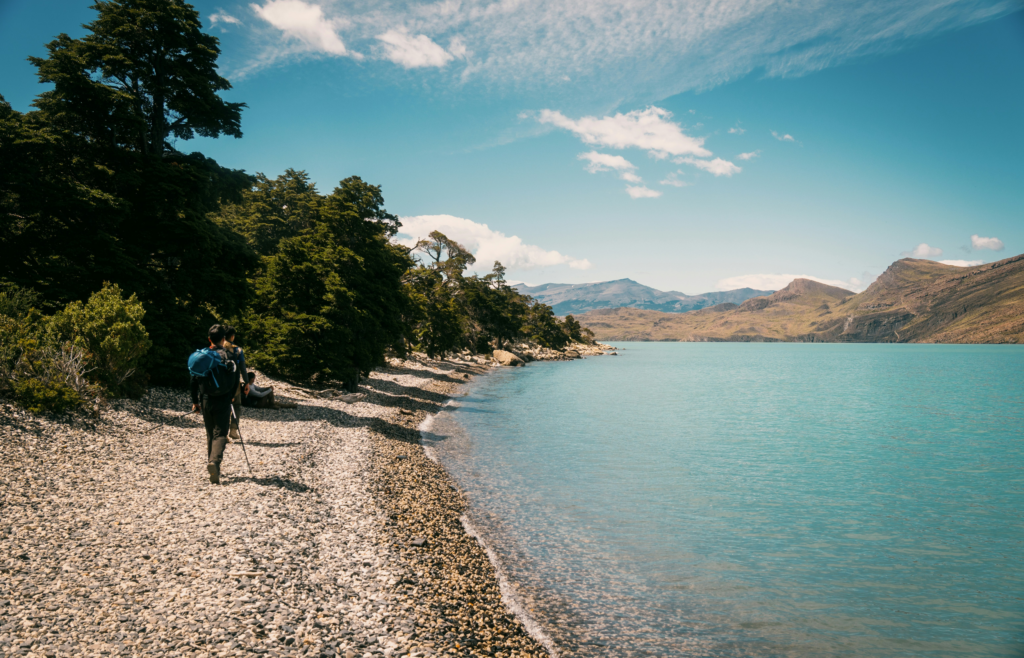
Creating healthier populations and unlocking these billions of dollars in economic potential is made possible by expanding access to the key drivers of wellness, including the outdoors. Studies suggest that only about 10–20% of health outcomes are linked to healthcare services, while social, living, and environmental conditions — including access to safe outdoor space — greatly shape people’s health and life expectancy. Access to nature and a clean environment can contribute to both economic development and economic security due to the many associated health benefits, providing states with a low-cost and high-return health intervention.
At the same time, nature-based sectors — such as outdoor recreation, conservation, and green infrastructure — contribute directly to state economies. According to the U.S. Bureau of Economic Analysis (2023), the outdoor recreation economy accounted for 2.3% of national GDP (about $639.5 billion) and supported millions of jobs across every state.
Examples of States Using the Outdoors as a Health and Economic Solution
Below are examples of how states and localities are using environmental and health-related initiatives to support broader workforce and economic goals.
Outdoor Recreation and Local Economies
The outdoor recreation industry demonstrates how natural resources can underpin economic activity. In some regions, outdoor recreation has become a key element in diversifying local economies that have historically depended on a single industry.
- In West Virginia, development organizations are exploring outdoor recreation as a way to complement the state’s traditional energy sector and create new employment opportunities.
- Several states, including Colorado (HB21-1223), Oregon (HB3350), and North Carolina (SB257), have established offices or initiatives focused on outdoor recreation to coordinate investments in trails, parks, and local tourism industries.
Green Infrastructure and Urban Development
Investments in green infrastructure — such as stormwater management systems, urban tree planting, and natural flood control — have been shown to generate both environmental and economic benefits. These benefits include reduced flooding costs, improved air quality, and support for local construction and landscaping jobs, as shown by the EPA’s Green Infrastructure Program.
- Maryland HB 653 (Enacted 2022) defined and expanded eligible green infrastructure investments, allowing source watershed maintenance to receive the same level of state assistance as water treatment infrastructure.
- Florida SB 2500 (Enacted 2021) provided funding to support projects that improve water quality and conservation infrastructure, illustrating how green development and economic investment can align.
- King County, Washington advances green infrastructure through programs such as its Strategic Climate Action Plan, Green Stormwater Infrastructure Program, and Land Conservation Initiative. These efforts are paired with workforce development, sustainable building standards, and public-private partnerships, demonstrating how climate-resilient urban planning can also drive job creation and long-term economic growth.
Health, Workforce, and Training Programs
Some states and cities have directly connected environmental investment with workforce development.
- In Milwaukee, Wisconsin, File #221233 created the Green Jobs Accelerator (Approved 2023), which connects residents to local training and funded apprenticeships for green jobs — defined as “any job that helps create a healthier environment and a more sustainable future” — and provides an outreach plan to educate, connect, and prepare students and underemployed people of color for green jobs.
- The District of Columbia’s Department of Energy and Environment oversees the Green Pathways program (Launched in 2015), which promotes and connects residents to green job workforce development and employment opportunities, such as solar panel installer, environmental educator, or energy auditor.

Emerging Ideas for Nature, Health, and Economic Stability
In addition to the approaches outlined above, states are exploring more ways to incorporate public health and environmental quality into economic planning.
- Tracking indicators such as access to green space, workforce health, and clean water can provide a clearer understanding of how environmental conditions affect long-term economic outcomes.
- Agency Coordination: Efforts to coordinate among state agencies — such as those focusing on health, the environment, and economic planning — are also becoming more common. Policy initiatives such as Health in All Policies focus on cross-agency strategies where environmental and health considerations are included in infrastructure planning and development reports.
These approaches reflect a broader trend: viewing environmental health and community well-being as integral components of economic security rather than as separate policy areas.

Looking Ahead
Healthy environments support healthy people, and healthy people support strong economies. Research and examples from across the United States show that access to nature, clean air and water, and outdoor spaces can play a measurable role in economic performance and community resilience. Understanding the connections between nature, health, and economic development can help states make informed decisions about investments that benefit both residents and the economy over the long term.
To learn more about these connections and policy options for your state, explore NCEL’s Outdoor Engagement Issue Page and Outdoors as a Health Solution Briefing Book.