Events
2026 European Circular Policy Expedition Recap
July 6-10, 2026
Overview
In early July, NCEL partnered with Circle to bring 11 legislators and legislative staff from eight states on the European Circular Policy Expedition in Austria and Slovakia. The goal of the trip was to help state legislators understand how more established Deposit Return Systems (DRS) and Extended Producer Responsibility (EPR) systems function in practice to reduce plastic waste. Lawmakers had the opportunity to see how DRS and EPR systems are designed, implemented, and operationalized while engaging directly with the institutions, infrastructure, and people that make these systems run.
- Why It Matters: While ten U.S. states have Deposit Return Systems in place, other states are looking at best practices to create new systems. Seven states have passed packaging EPR legislation and are in various stages of rulemaking and implementation as momentum continues to grow. Austria and Slovakia are particularly relevant for state legislators because the countries run their own unique DRS and EPR systems while also operating under the European Union’s new Packaging and Packaging Waste Regulation (PPWR), which sets rules for packaging design, waste reduction, reuse, and recycling across all member states.
Day One: Scene-Setting & Austrian DRS
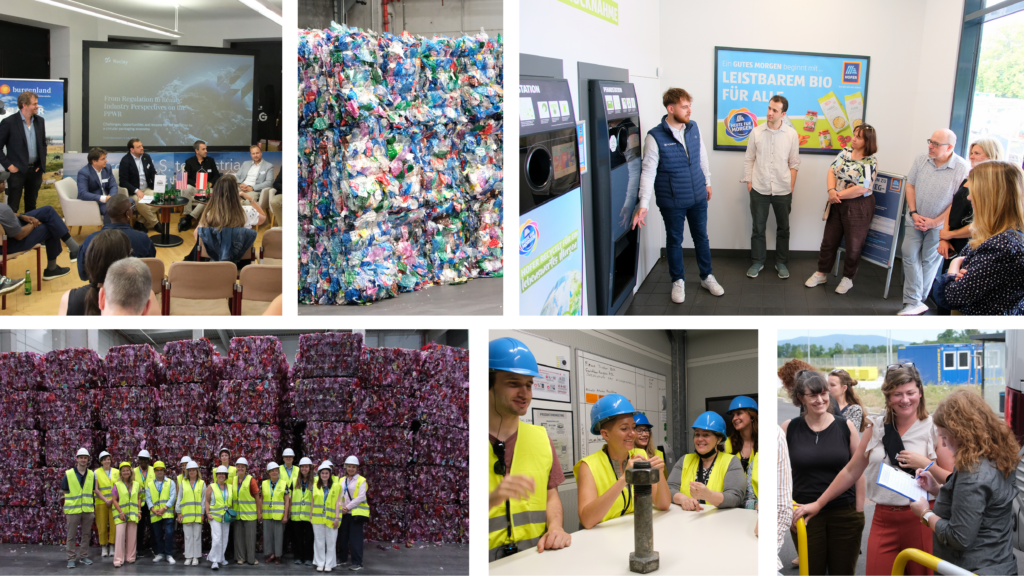
Through panels and site visits, the first day of the Expedition focused on U.S. scene-setting and an introduction to the Austrian Deposit Return System.
The morning kicked off with a refresher on the U.S. context led by the Coalition for High Performance Recycling (CHPR), Reclay, and ClearStrategy, which outlined the main stakeholders in DRS, the benefits of combining DRS and EPR policy, and fraud prevention strategies. Austria’s central Producer Responsibility Organization (PRO), EWP Recycling Pfand Österreich, shared that Austria’s new DRS — with its 25 euro cent deposit on plastic and aluminum beverage containers — achieved an 81.5% first-year collection rate with equal performance in rural and urban areas. Other panels covered the European policy context, governance, and the key role of collection infrastructure and technology.
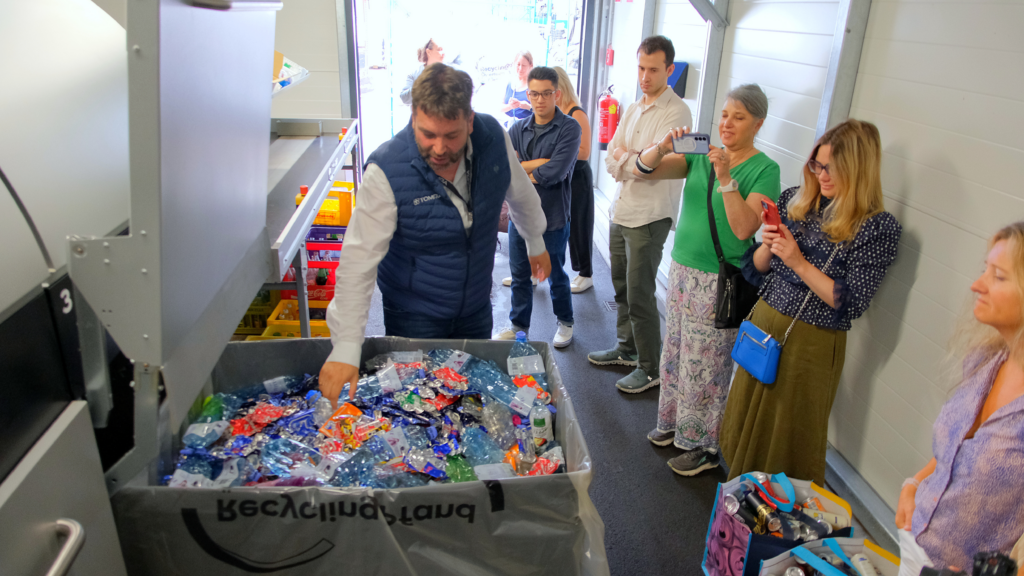
Participants then visited TOMRA’s showroom and traveled to a variety of deposit return points to understand the role of technology in the success of DRS in Austria. Lawmakers observed reverse vending machines (RVMs) processing up to 20,000 containers daily across market kiosks and bulk drop-off sites, in a process that is fast, clean, and convenient.
Day Two: Slovak DRS & Trends
The second day of the Expedition brought attendees to Slovakia to learn about the country’s DRS as well as broader European trends through site visits, briefings, and discussions between European, Slovak, and U.S. leaders.
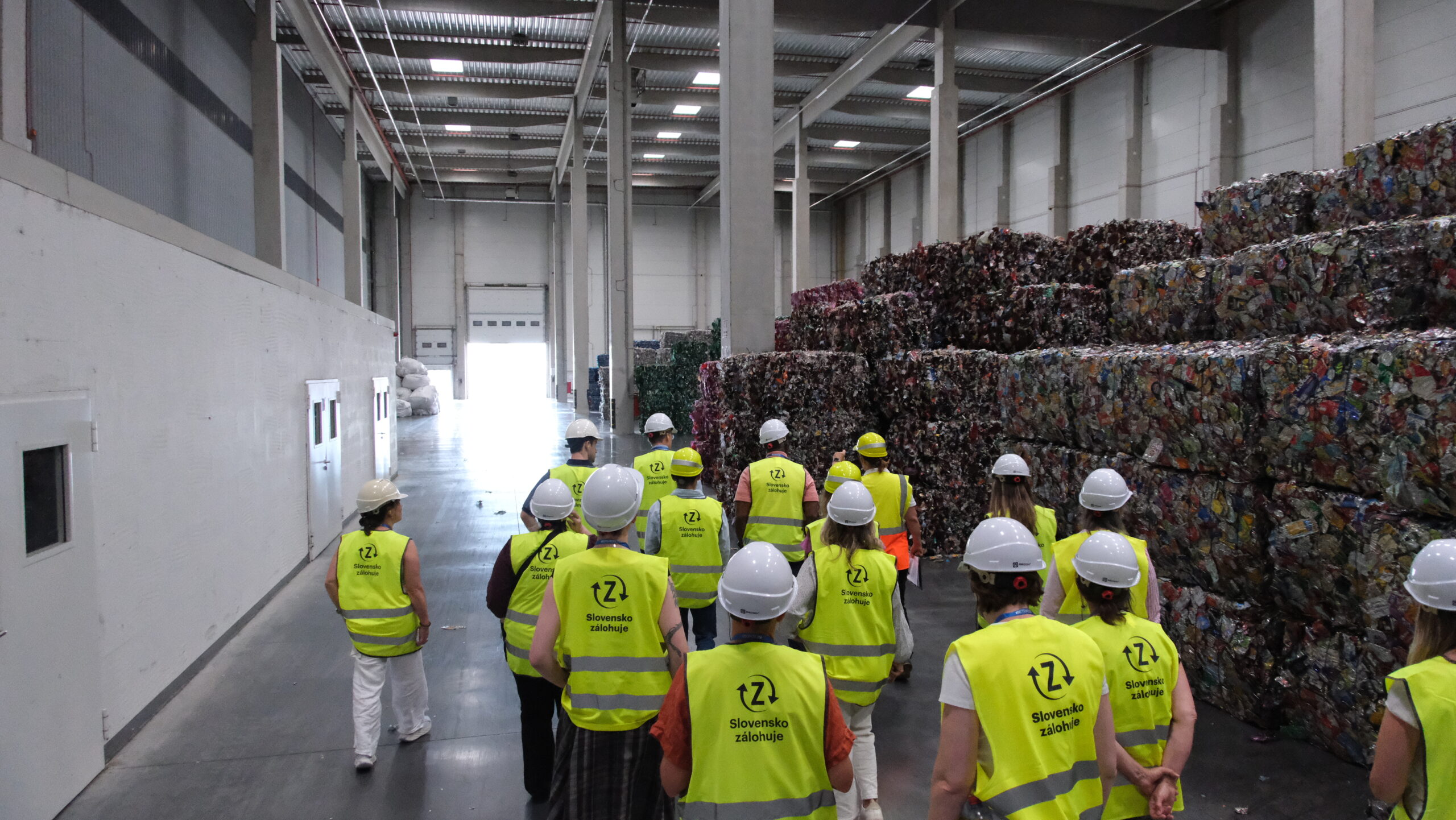
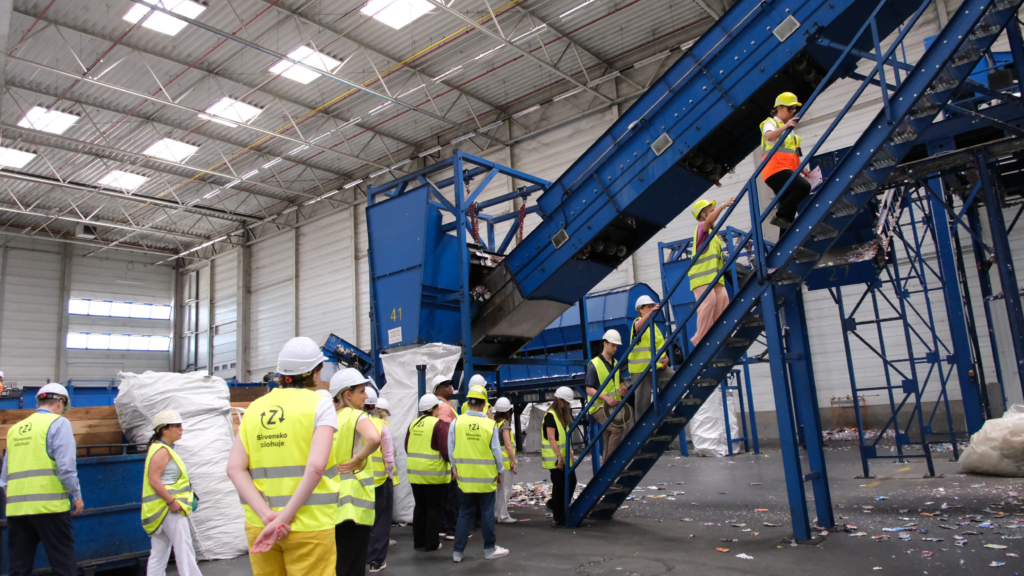
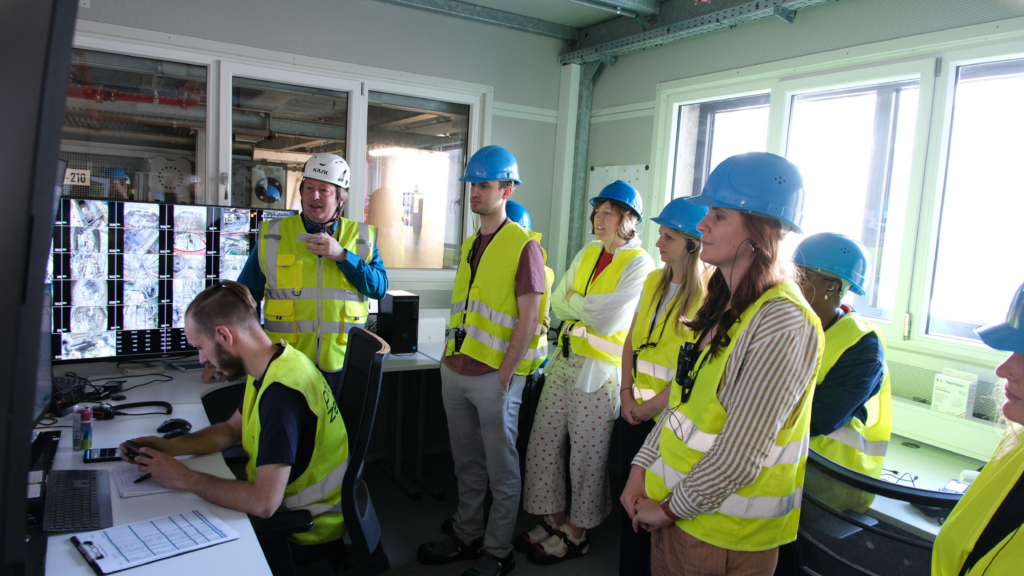
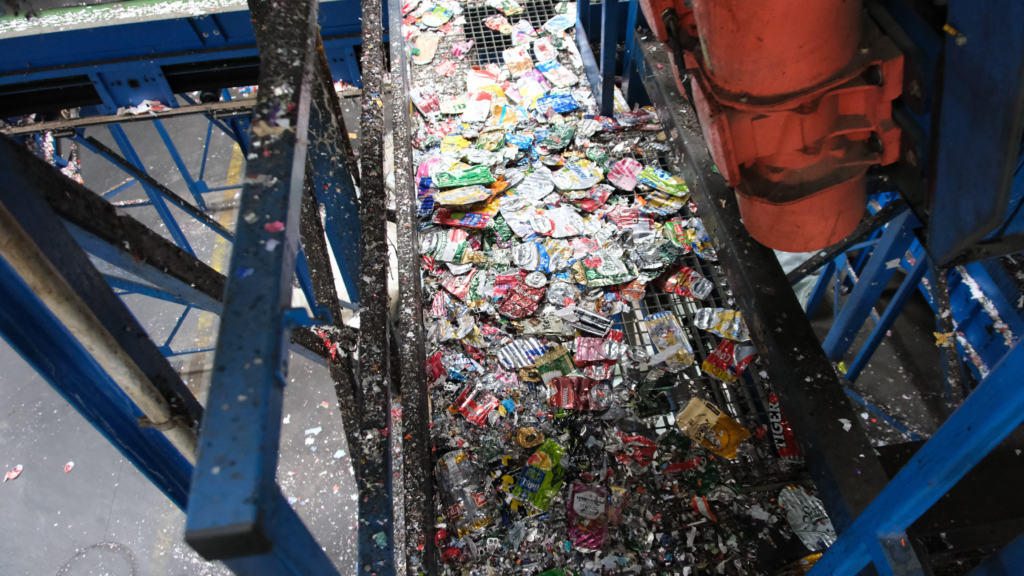
During transit between countries, Reloop provided context on European DRS and EPR frameworks as well as the European Union’s new Packaging and Packaging Waste Regulation (PPWR), noting that 19 European countries already have DRS in place. Lawmakers then toured the Slovak DRS program’s central sorting facility, where they were able to see how plastic bottles and cans are sorted, verified, and prepared for recycling.
The European Deposit Return System Association (EDRSA) opened the afternoon presentations with an overview of Slovakia’s DRS, highlighting how its 15 euro cent deposit drove collection rates from 70% to 90% in the second year of the program. Sensoneo followed with a presentation on fraud prevention and managing logistics costs. Finally, The Recycling Partnership, ClearStrategy, and Minnesota State Representative Sydney Jordan presented on the U.S. EPR packaging landscape. The day concluded with a brief visit to a retail collection point, showing lawmakers how container redemption sites drive retail foot traffic.
Day Three: Material Recovery & EPR
Back in Austria, day three focused solely on EPR and began with a site visit to a material recovery facility (MRF). Guided by PreZero and Reclay, participants viewed recovery, sortation, and pre-processing at the PreZero MRF serving the Vienna region. In the afternoon, there was a high-level panel discussion with the stakeholders responsible for packaging EPR implementation in Austria, including the Ministry of Environment, the association of European PROs, and representatives from across the packaging value chain. Highlights included lessons learned from the EPR implementation process as well as ongoing questions about PPWR enforcement in the European Union.
Day Four: Models from Vienna & Key Takeaways
The final day of the Expedition began with a visit to 48er-Tandler, a secondhand shop and space run by MA 48 — Vienna’s municipal department responsible for waste management, street cleaning, and collection vehicle fleet management. The shop itself serves as a showcase and educational tool, with games designed for children, as well as bicycles and electronics that have been repaired for resale. Participants also learned that single-use plastics are banned from large-scale events in Vienna and that the city encourages repair by providing residents with a €150 yearly voucher for repair services.
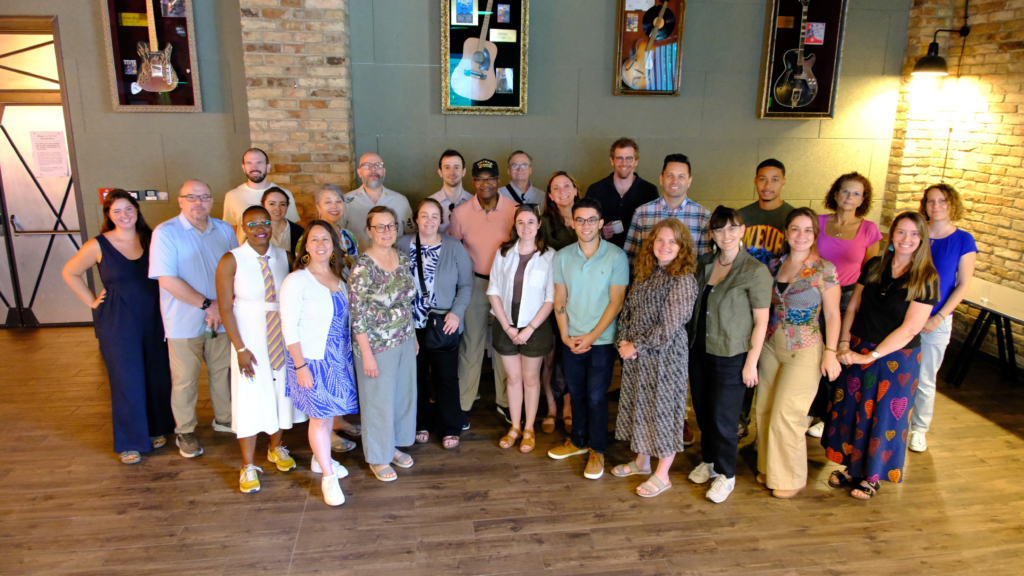
The trip concluded in the afternoon with a final group debrief on key insights and opportunities to translate lessons learned into the U.S. context. Key takeaways from the trip for DRS and EPR focused on the benefits of (1) implementation timelines over fixed dates, (2) flexible handling fees, and (3) domestic sourcing.
Looking Ahead
Legislators came away from the European Circular Policy Expedition with a more concrete understanding of how DRS and EPR function in Austria, Slovakia, and the European Union. Looking ahead to the 2027 legislative sessions, lawmakers gained insights into aspects of European policy that are transferable to U.S. states and expanded their network of peers committed to reducing plastic waste.