Events
2026 Washington Blue Economy Tour Recap
June 23-25, 2026
Overview
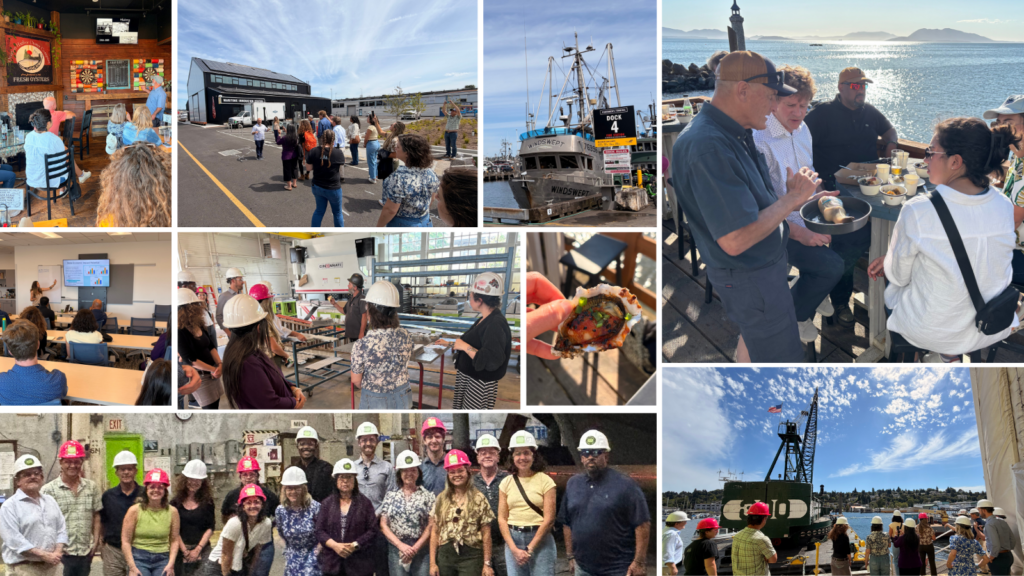
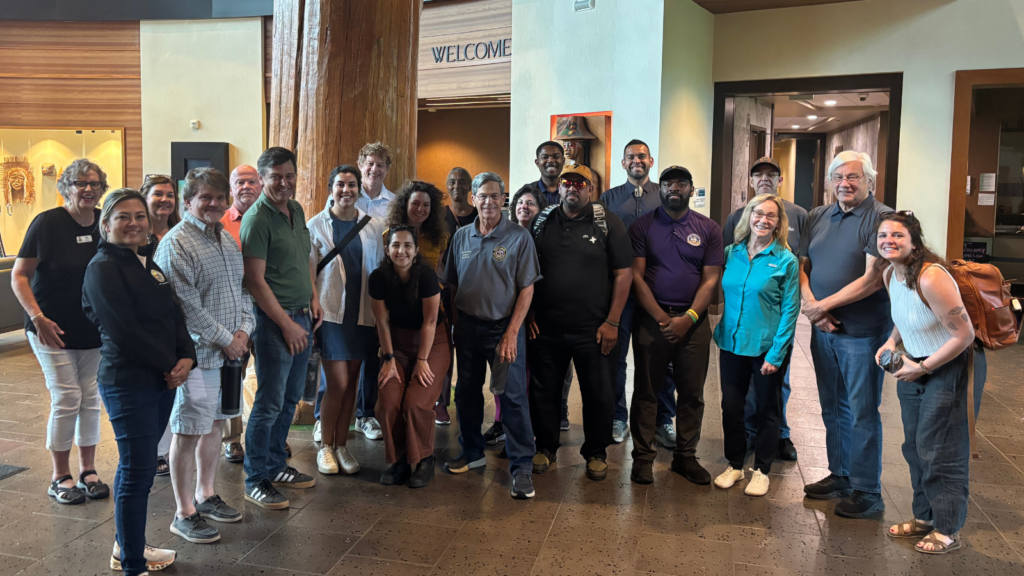
In June, NCEL hosted 18 state legislators and legislative staff from 10 states for a three-day tour across Washington State to explore sustainable and resilient Blue Economy development. Legislators from across the country engaged with stakeholders from the private sector, Tribes, and academia to learn about innovative approaches to grow coastal economies while tackling challenges related to aquaculture, workforce development, and port infrastructure. Through site visits and robust discussions, the Washington Blue Economy Tour highlighted the importance of cross-sector collaboration and provided actionable policy solutions for legislators to take back to their home states.
Day One: Understanding Washington’s Blue Economy Ecosystem
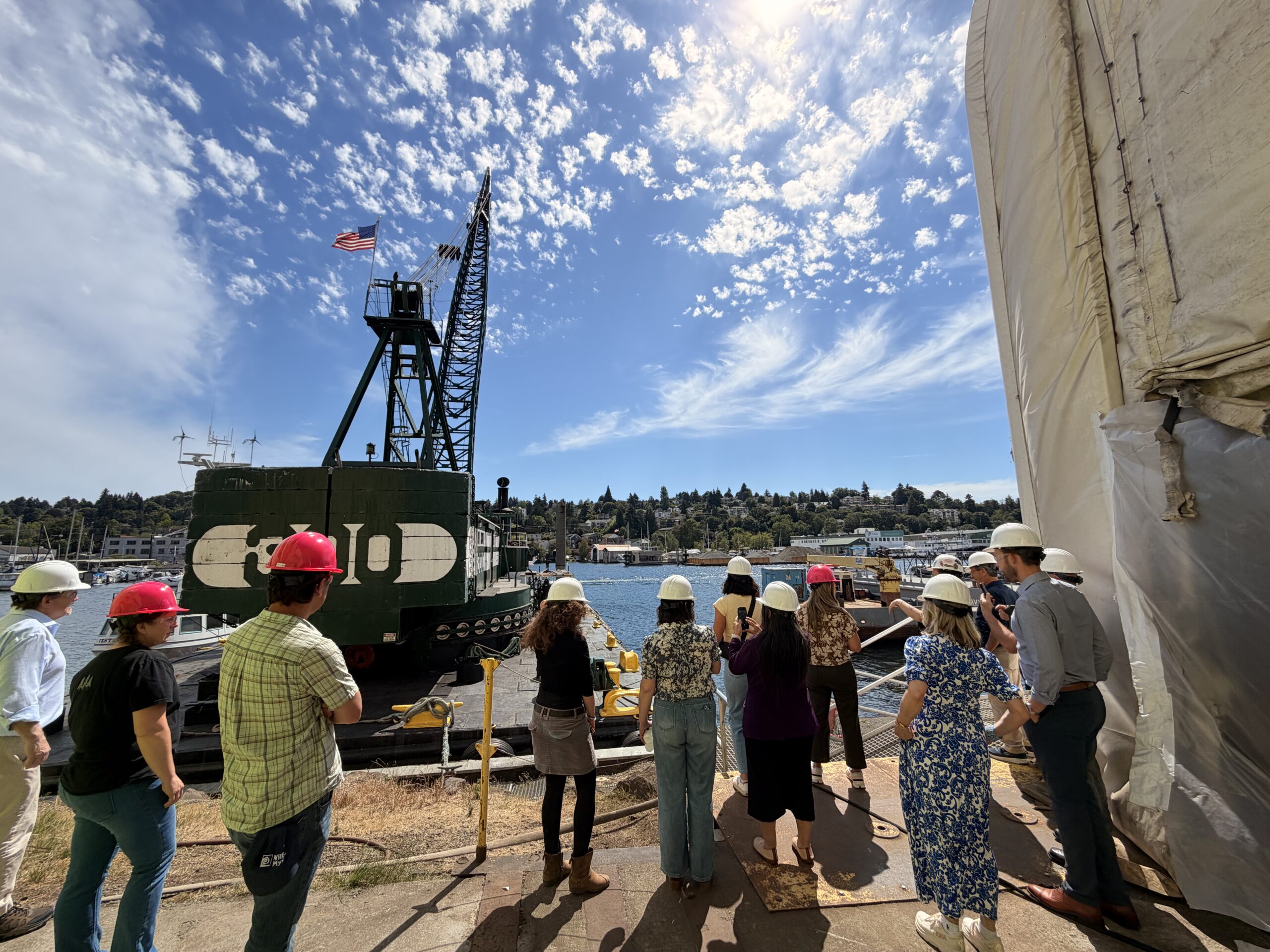
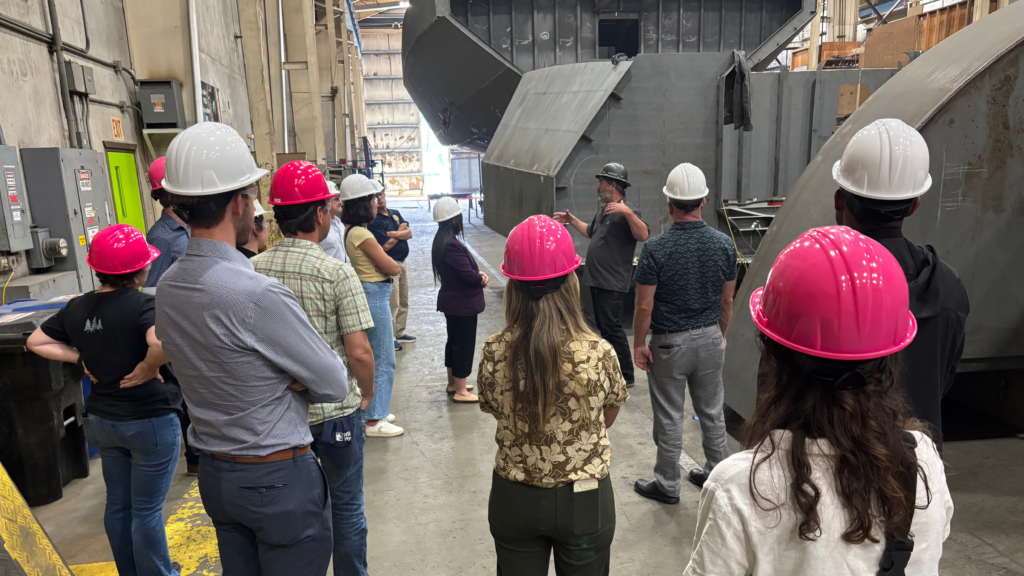
The tour kicked off in Seattle with an introduction by Washington Maritime Blue on how strategic investment and cross-sector partnerships can drive sustainable economic growth across maritime industries. The group then visited MarineSitu to see AI-driven underwater monitoring technologies in action, followed by a tour of Snow & Company to learn about their process for building and retrofitting vessels, including the development of the nation’s first battery-powered electric ship-assist tugboat.
The day concluded in Bellingham, Washington, with a dinner featuring presentations from the Whatcom Working Waterfront Foundation, Whatcom Working Waterfront Coalition, the Port of Bellingham, Bellingham Technical College, Washington Sea Grant, and Lummi Island SeaGreens.
Day Two: Advancing a Circular Economy and Aquaculture
The second day focused on aquaculture, sustainable resource use, and the importance of community partnerships in advancing the Blue Economy.
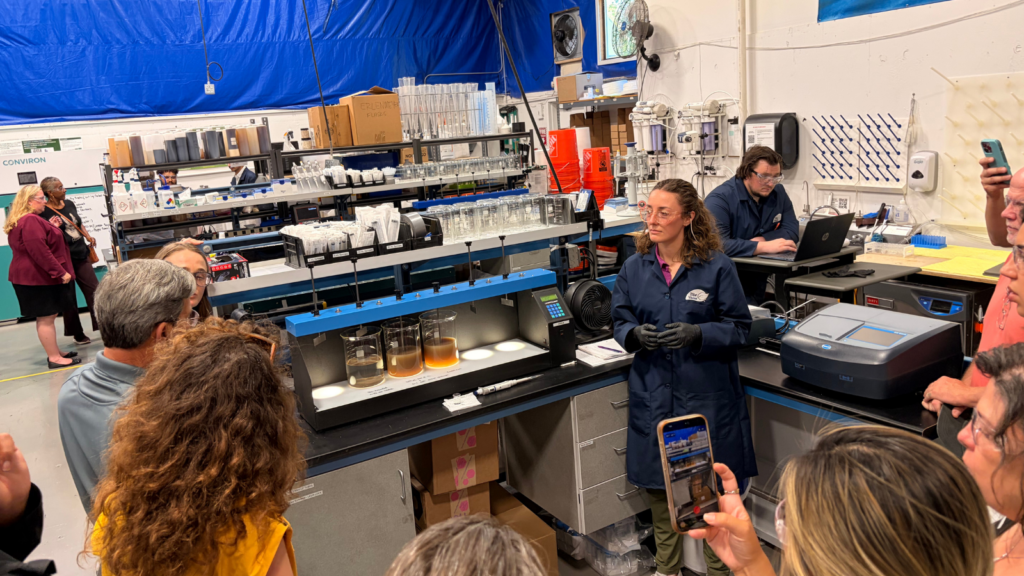
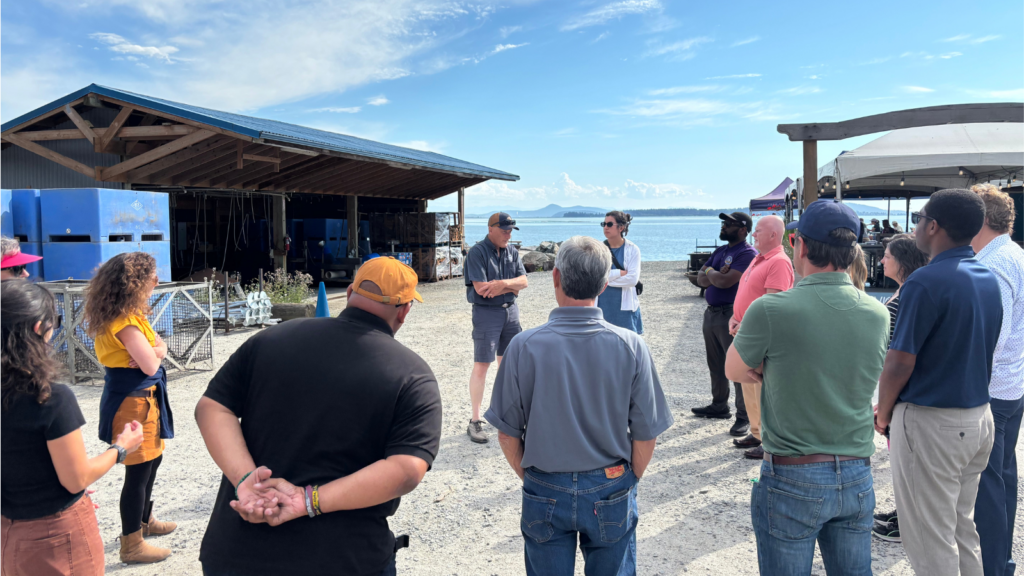
Participants began the morning at Tidal Vision to learn how shellfish waste can be transformed into biodegradable products for water treatment, agriculture, and other industries. The group then traveled to Blaine, Washington, to learn about the Drayton Harbor Oyster Company and MERIS (Marine, Economy, and Research Institute for Sustainability), with discussions focused on how cross-sector partnerships can help develop infrastructure, support workforce needs, and advance marine technologies to grow the Blue Economy.
The Lummi Indian Business Council — the governing body of the Lummi Nation — then hosted the group for a discussion on Tribal sovereignty, Traditional Ecological Knowledge, and resource co-management, emphasizing the essential role of state-Tribal partnerships in shaping sustainable Blue Economies. The day concluded at family-owned and -operated Taylor Shellfish Farms, where participants learned about sustainable shellfish harvesting techniques and efforts to combat ocean acidification and invasive species in Puget Sound.
Day Three: Protecting Marine Ecosystems Through Policy and Innovation
The final day centered on balancing economic growth with marine conservation through technology, collaboration, and public policy.
The morning began with participants learning about Maritime Blue’s Quiet Sound Program, which uses vessel monitoring, voluntary operational changes, and regional partnerships to reduce underwater noise and prevent vessel strikes on endangered Southern Resident killer whales. The group also met with Port of Seattle representatives to discuss how one of the nation’s largest ports is advancing sustainability through investments in clean maritime fuels, port electrification, and economic development.
The tour concluded with a policy workshop that brought together experts and participants to explore legislative opportunities for advancing the Blue Economy. Legislators collaborated on actionable policy ideas to strengthen aquaculture and fisheries, improve working waterfronts, enhance coastal resilience, address climate change impacts, and drive Blue Economy growth in their home states.
Looking Ahead
Washington’s Blue Economy demonstrates that economic prosperity and environmental stewardship can work in partnership. Throughout the tour, participants saw how collaborations among government, industry, Tribal Nations, research institutions, nonprofits, and local communities are creating innovative solutions that strengthen coastal economies while protecting marine ecosystems.
As states across the country continue to explore opportunities within the Blue Economy, the lessons from Washington provide valuable examples of how thoughtful investments, collaborative governance, and forward-looking policies can support resilient coastal communities for generations to come.
To learn more about developing sustainable Blue Economies and related state policy options, visit NCEL’s Blue Economy Issue Page.