Blog
Indirect Source Rules: How to Regulate Vehicle Emissions Amid Federal Rollbacks
March 25, 2026
Overview
The repeal of the federal Endangerment Finding has thrown states’ ability to regulate vehicle emissions into uncertainty. States are now looking to a newly utilized authority to regulate “indirect emissions” that occur as a result of traffic to high-use facilities, such as warehouses. This authority, often referred to as the indirect source rule (ISR), is currently untouched by the Endangerment Finding decision and provides a unique opportunity for states to continue to regulate vehicle emissions in their most vulnerable communities.
What is the Problem ISRs Seek to Solve?
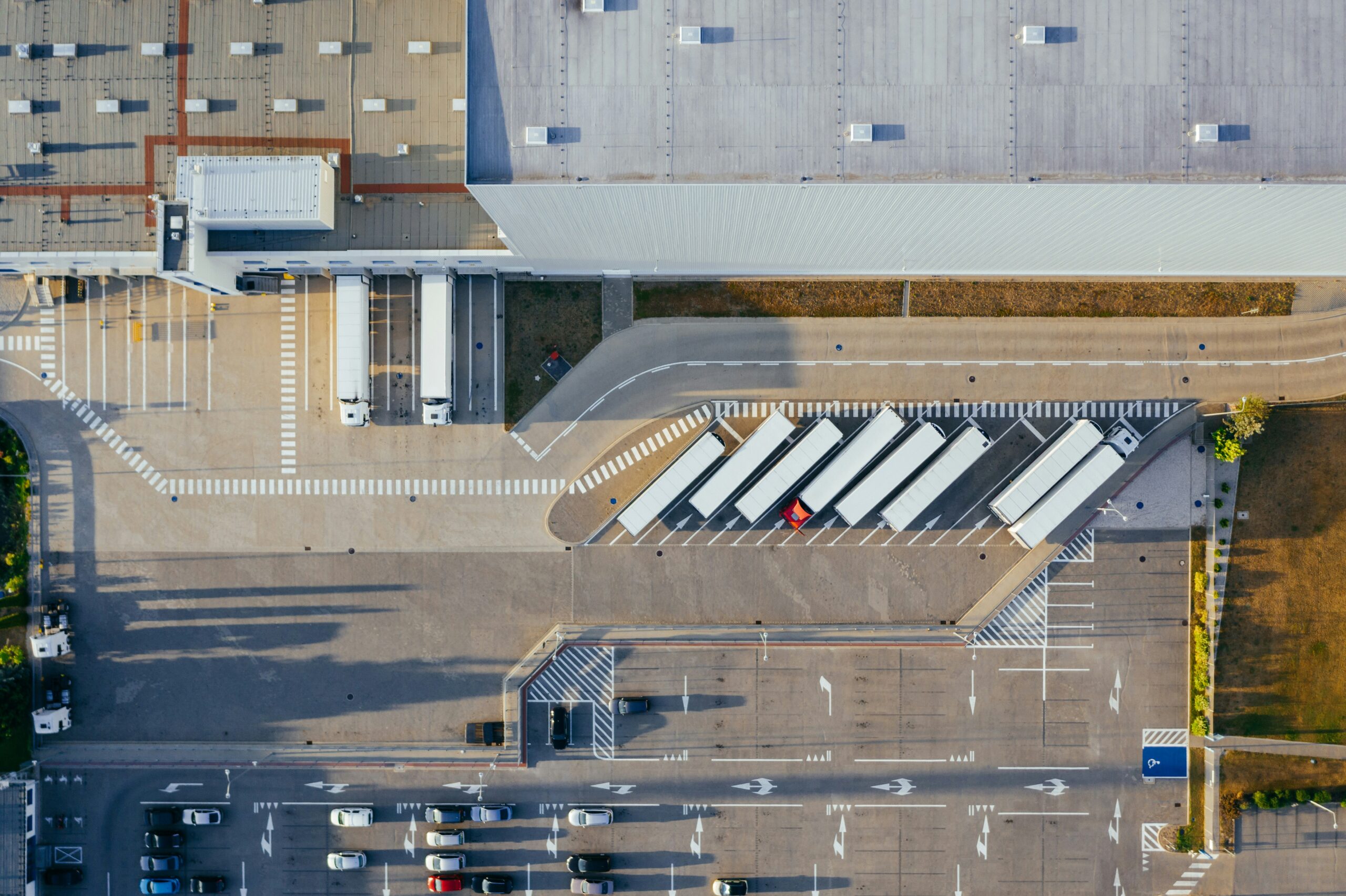
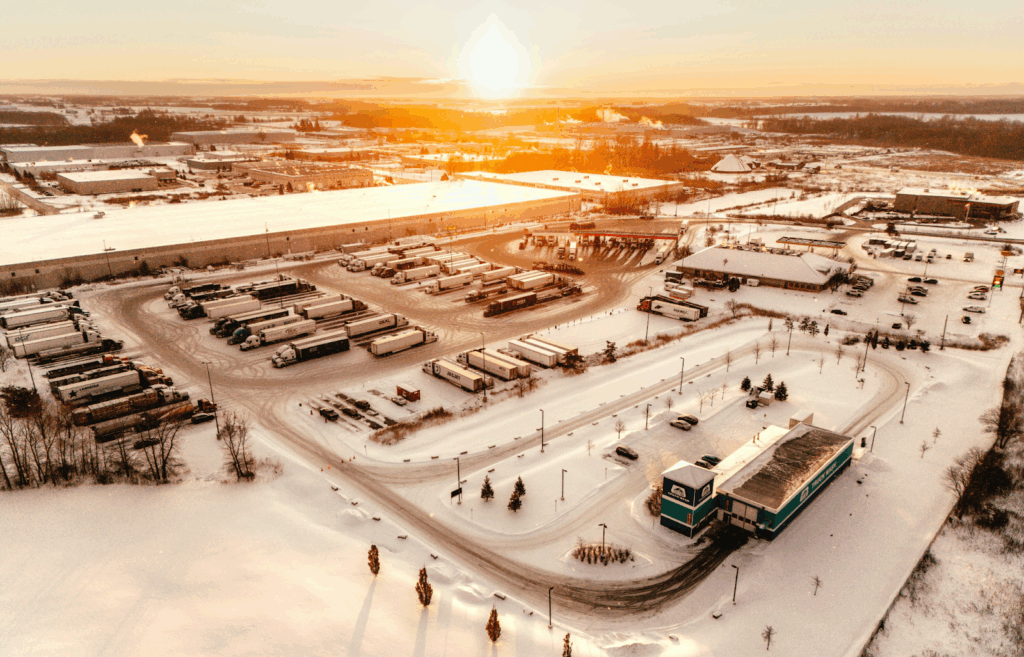
With the doubling of e-commerce revenue over the past five years, new mega-warehouses are popping up closer to population centers. For example, a recent study from the Environmental Defense Fund found that at least one in four New Yorkers lives within half a mile of a leased warehouse of at least 50,000 square feet. These hubs are hot spots for truck and ship pollution, increasing community exposure to air pollutants that cause asthma, climate warming, and thousands of premature deaths each year. Indirect emissions from warehouses are also worsening environmental injustices, as warehouses are predominantly sited in low-income communities and communities of color.
What is the Indirect Source Rule?
Indirect source rules (ISRs) seek to address a regulatory gap by targeting facilities that, while not necessarily producing the air pollutants themselves, generate significant emissions by drawing outside sources (like vehicles) to their site. The rule requires these facilities to reduce the emissions that are incurred as a result of their operation. Facilities that are covered under an ISR can choose from a flexible menu of options to reduce emissions, including:
- Electrifying trucks and shipping vessels.
- Investing in electric vehicle (EV) charging.
- Developing new solar generation on-site.
Warehouses that choose not to invest in upgrades are required to pay a mitigation fee that goes into a fund supporting community programs to mitigate the impacts of air pollutants.
Initial Progress on ISRs
The California South Coast Air Quality Management District (SCAQMD) adopted the first indirect source rule in 2021, and it has already had a clear impact on the surrounding areas. A report from the SCAQMD in 2024 noted that (1) warehouses were overcomplying with the requirements of the ISR, (2) warehouse deployment in the region had continued to grow despite the new rule, and (3) warehouses had invested in hundreds of new zero-emission vehicles and charging infrastructure installations.
Current State-Level Progress
No states have yet enacted the indirect source rule, although California (AB 1777), New Jersey (A.3409/S.2285 & A.2740/S.2339), New York (A.3575B/S.1180B), and Illinois (HB 56/SB 3732) have introduced legislation in the 2026 legislative session. New York’s bill has passed the Senate and heads to the Assembly.
Localities, led by New York City, are also introducing legislation for their own indirect source rules.
Learn More
To learn more about emerging solutions for air pollution and climate change, explore the 40+ issues NCEL works on. To learn more about ISRs for your state or region, contact NCEL Climate and Energy Manager, Ava Gallo.