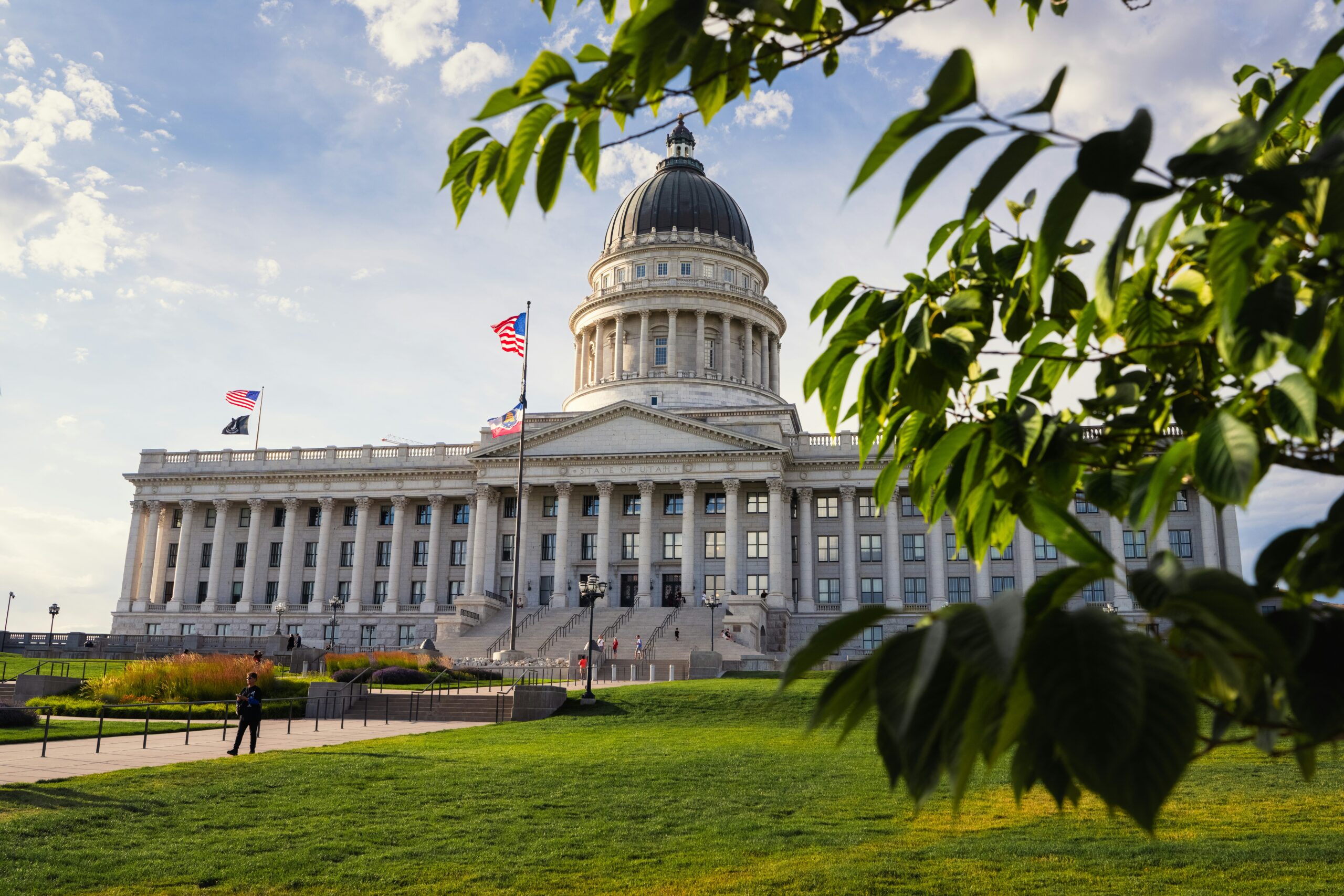
Legislative Session Preview
2026 Session Kickoff: Emerging Environmental Policy Trends From the States
February 23, 2026
Overview
Amid federal rollbacks and funding cuts, states are entering 2026 as crucial leaders for lasting environmental and community protections. Most states have now kicked off their 2026 legislative sessions, with many entering their shorter, fast‑moving sessions. As a result, the early months of the year will see the bulk of environmental policymaking. Based on NCEL’s conversations with legislators in our network and our bill tracking to date, the 2026 Session Kickoff resource below highlights the primary environmental policy trends we anticipate this year.
The National Caucus of Environmental Legislators (NCEL) works with a nationwide network of 1,300+ state lawmakers to provide trusted, nonpartisan support as states take an increasingly central role in environmental policy.
Emerging State Policy Trends: Data Centers | Expanding Access to Residential Solar | Climate Accountability and Insurance | Habitat Connectivity | Endangered Species | Outdoor Education | Nature-Based Solutions for the Coasts | The Blue Economy | Fisheries and Aquaculture | Zero Waste | Toxic Chemical Protections | Watershed Health
Data Centers
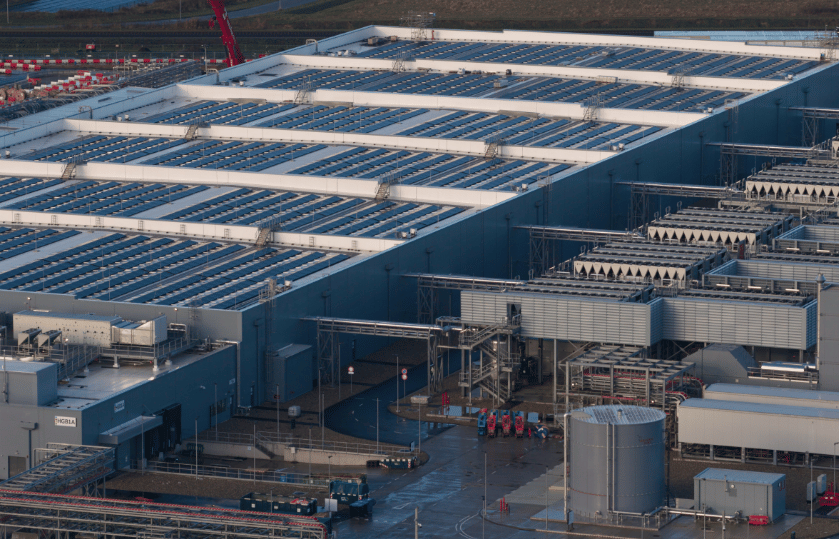
Data centers have become a major policy focus for states over the past year, as communities face rising utility bills and the growing environmental footprint of large-scale computing. This builds on a wave of activity in 2025, when more than 20 states introduced policies to establish guardrails for data centers.
In 2026, states across the country are beginning to file a wide spectrum of new policies to ensure that data center expansion does not increase ratepayer costs, increase carbon emissions, threaten grid reliability, or strain local water supplies. Affordability, transparency, energy and water use, and community well-being are increasingly central policy focuses, as states across the political spectrum tackle these growing challenges.
- 2026 Policy Outlook: At least 27 states have introduced legislation to establish guardrails for data center development. The most common approaches include requiring greater transparency around energy and water use, establishing ratepayer protections such as large‑load tariffs, and setting renewable procurement or emission standards.
NCEL Resources:
- Issue Brief: Data Centers
- Policy Update: States Act to Align Data Center Energy Demand with Climate Goals
- Cross-State Momentum: Amid Rapid Data Center Growth, State Legislators Urge PJM to Protect Ratepayers and Ensure Fair Competition
Expanding Access to Residential Solar
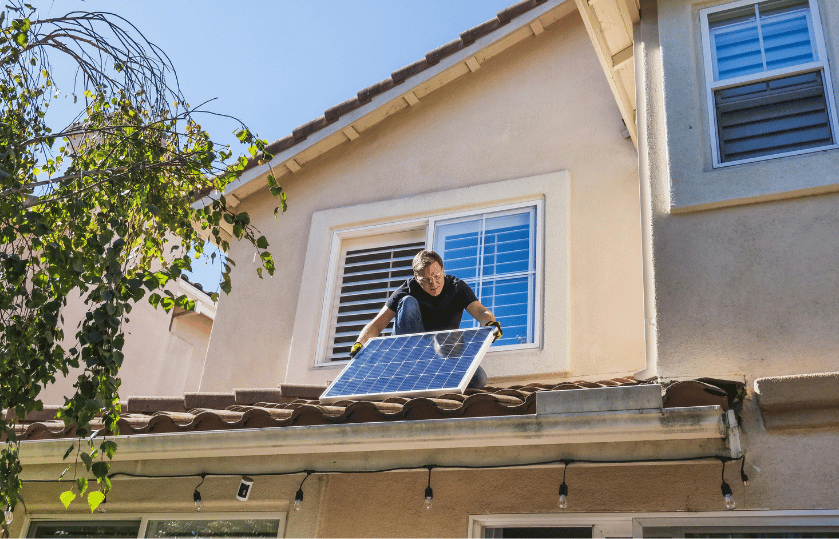
With electricity bills climbing and interest in home energy solutions increasing, more states are prioritizing policies that make solar energy accessible and affordable for households.
In 2026, states are introducing bills that remove regulatory barriers to plug‑in solar units — small, modular solar panel systems that residents install themselves. Legislators are also targeting the permitting and inspection hurdles for residential solar by requiring instant permitting — automated, online platforms that streamline the permitting and approval of residential solar, battery, and other home technology systems. Beyond residential solar, states are also introducing bills that create community solar programs, support agrivoltaics, and encourage the deployment of distributed solar through rate structures and incentives.
- 2026 Policy Outlook: At least 34 states have introduced legislation to reduce costs, timelines, and regulatory barriers for solar and battery adoption.
NCEL Resources:
- Policy Update: New Jersey Enacts Landmark Law to Boost Rooftop Solar Access & Affordability
- Fact Sheet: Agrivoltaics
- Fact Sheet: Community Solar
Climate Accountability and Insurance
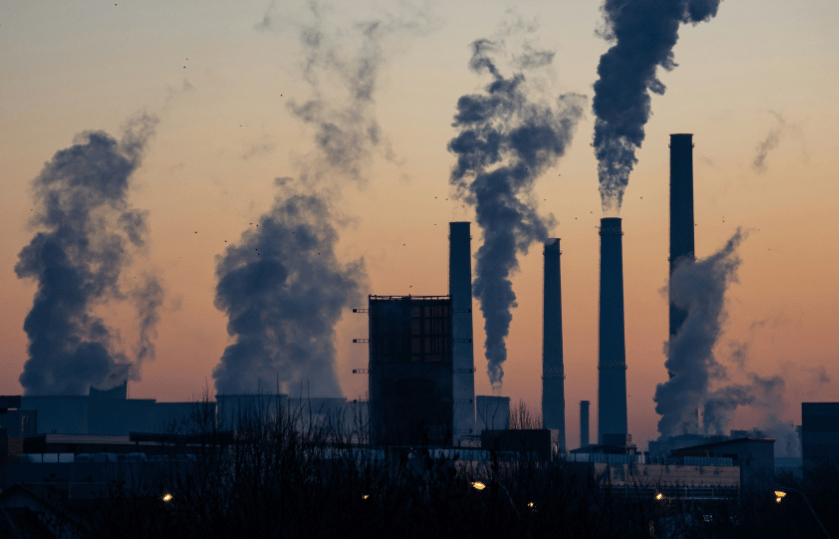
As climate impacts drive up costs and federal climate funding is being scaled back, states are exploring innovative approaches to create new buckets of revenue while holding polluters accountable for emissions. Lawmakers are renewing momentum behind climate superfund legislation after a collection of states pursued these frameworks in 2025, aiming to charge major emitters for climate-related damages and reinvest the revenue into climate adaptation and resilience projects. A growing number of states are also considering private rights of action that would allow individuals to sue fossil fuel companies for climate‑related harms.
As insurance rates rise because of increased climate disasters, states across the political spectrum are also introducing bills to better incorporate climate risk into insurance modeling. States are building off of Colorado’s HB25‑1182, which requires insurers to disclose the disaster risk models used to set premiums while giving homeowners a clear pathway to reduce their risk and lower their costs.
- 2026 Policy Outlook (Climate Accountability): At least 14 states have introduced legislation to increase climate accountability, primarily through new climate superfunds or private rights of action frameworks.
- 2026 Policy Outlook (Insurance): At least 11 states have introduced legislation to incorporate climate risk into insurance planning and to strengthen the resilience and transparency of insurance risk models.
NCEL Resources:
- Briefing Book: Climate Finance
- Policy Update: How States Are Filling the Federal Climate Funding Gap
- Interactive Article: The Story of Washington’s Climate Commitment Act (CCA)

Habitat Connectivity
As development pressures grow — from new housing and commercial projects to major grid and transportation expansions — wildlife habitats are becoming increasingly fragmented. Continued federal challenges to land protections and housing shortages are compounding these pressures, dividing ecosystems and creating safety risks for both wildlife and people. For example, vehicle collisions with wildlife cause up to 2 million accidents and cost over $8 billion annually in the U.S. However, projects to reconnect habitat fragmented by roadways — such as wildlife crossings — pay for themselves quickly in costs saved on medical assistance, property damage, and the value of animals lost. After at least 12 states enacted bills in 2025, states are continuing efforts to improve habitat connectivity and reduce wildlife-vehicle collisions in 2026.
- 2026 Policy Outlook: At least 12 states have introduced legislation to address wildlife habitat fragmentation. Common policy approaches currently include integrating habitat connectivity into land‑use and transportation planning, investing in wildlife crossings, and conserving key wildlife movement and migration areas.
NCEL Resources:
- Report: A Look at How Far U.S. State Habitat Connectivity Legislation Has Advanced and What is Working
- Cross-State Momentum: State Legislators Call on U.S. Department of Transportation to Prioritize Wildlife Crossings in Upcoming Strategic Plan
- Policy Update: New Jersey Joins a Growing List of States to Establish a Wildlife Corridor Action Plan
- Policy Update: Maryland Enacts Habitat Connectivity Law to Improve Wildlife Health and Road Safety

Endangered Species
With one‑third of U.S. wildlife at risk of extinction and new federal rollbacks threatening long‑standing protections under the Endangered Species Act (ESA), state legislators are stepping up as the frontline defenders of the nation’s wildlife in 2026.
Proposed ESA rollbacks at the federal level have generated broad, bipartisan concern from state lawmakers that weakening federal protections will cause preventable harm to species and habitats, and lead to undue economic burdens. That concern is shaping 2026 legislative agendas. Lawmakers are continuing to introduce bills that strengthen State Endangered Species Acts (SESAs), after eight states enacted legislation in 2025. NCEL staff expect states to also pursue bills that improve wildlife monitoring and recovery, expand partnerships with wildlife agencies, and increase funding for wildlife conservation programs to fill gaps left by uncertain federal support.
- 2026 Policy Outlook: At least eight states have introduced substantive legislation to strengthen protections for endangered species.
NCEL Resources:
- Report: State Laws for Endangered and Threatened Species
- Lessons Learned: Crafting Endangered Species Policy
- Cross-State Momentum: 190+ State Legislators Urge Federal Agencies to Withdraw Proposed Endangered Species Act Rollbacks

Outdoor Education
States are increasingly recognizing outdoor education as a powerful tool for building resilience in children and fostering early, positive engagement with nature. In addition to the many benefits of getting more youth outside, research increasingly shows that outdoor learning can specifically boost academic outcomes, childhood health, and connections to heritage.
In 2025, state policies to expand outdoor access and education saw some of the highest introduction and passage rates of any environmental topic, often with strong bipartisan support. That momentum is carrying into 2026 as lawmakers pursue legislation to expand outdoor education opportunities through the establishment of statewide programs, pilot initiatives, and curriculum pathways that recognize the value of outdoor education. The growing and bipartisan support for these policies reflects an emerging understanding that time outdoors is not just enrichment — it is a public health, education, and environmental stewardship solution.
- 2026 Policy Outlook: At least 18 states have introduced legislation to expand outdoor education opportunities and programs.
NCEL Resources:
- Fact Sheet: Outdoor Education
- Policy Update: States Continue to Expand Outdoor Access and Equity
- Article: The Connections Between Nature and Children’s Health
- Legislative Toolkit: Outdoor Opportunity
Nature-Based Solutions for the Coasts
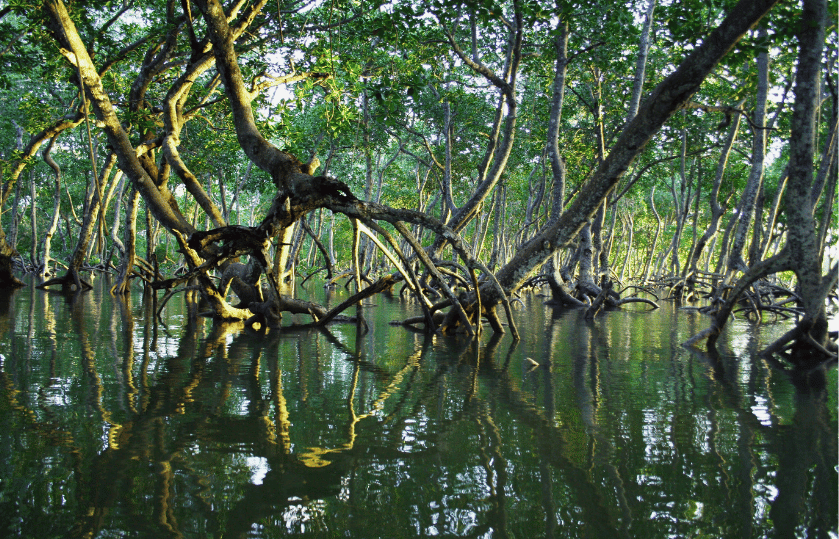
As climate impacts intensify, states are increasingly turning to nature‑based solutions that harness the power of healthy ecosystems to improve coastal resilience and climate change mitigation efforts. In addition to land-based ecosystems (e.g., forests), ocean-based and coastal ecosystems (e.g., salt marshes) offer many nature-based climate solutions and co-benefits. These beneficial ecosystems not only absorb excess carbon dioxide and blunt the force of extreme weather for coastal communities, but also support fisheries, improve water quality, and provide critical habitat for wildlife. In 2026, NCEL staff expect state lawmakers to broaden their focus on protecting and restoring coastal ecosystems as a core climate and resilience strategy.
- 2026 Policy Outlook: At least nine states and territories have introduced legislation to enhance nature-based solutions in ocean-based and coastal ecosystems. Coastal wetlands, kelp forests, eelgrass and seagrass meadows, mangroves, oyster ecosystems, and salt marshes are all likely to garner legislative attention.
NCEL Resources:
- Briefing Book: Healthy Oceans and Coasts
- Fact Sheet: Nature-Based Climate Solutions: Blue Carbon
- Policy Update: Puerto Rico Set National Precedent By Declaring Coral Reefs Essential Infrastructure
The Blue Economy
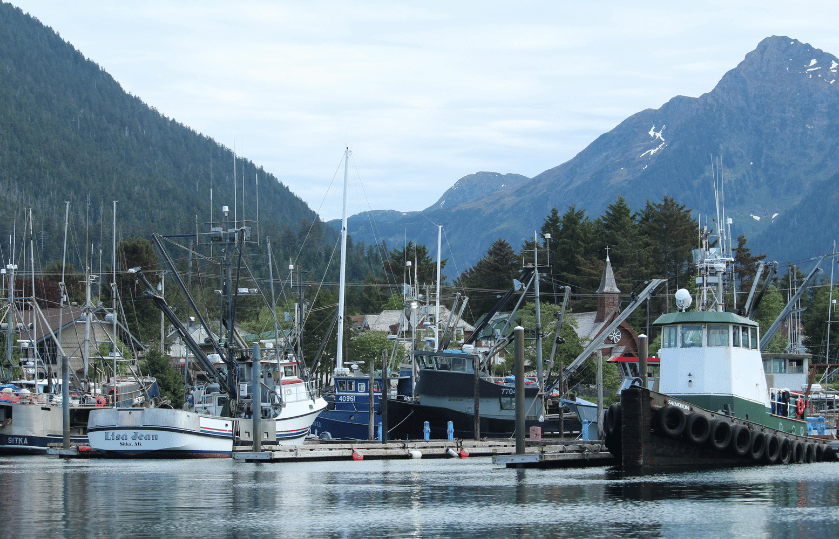
Federal funding uncertainties, combined with climate risks, rapid coastal development, and waterfront gentrification, are making it difficult for states to pursue sustainable coastal growth while protecting marine ecosystems. In response, more coastal states have been looking to grow their blue economy, which encompasses a wide range of economic activities that depend on ocean and coastal resources. A sustainable blue economy can help states support economic growth while protecting the long-term health of the ocean and coasts.
In 2025, at least 15 states introduced legislation to expand sustainable blue economies, and lawmakers are poised to build on that momentum in 2026. States are already exploring options such as developing Blue Economy Task Forces and creating coastal workforce development programs.
- 2026 Policy Outlook: At least 12 states have introduced legislation to support and grow sustainable blue economies.
NCEL Resources:
- Briefing Book: Blue Economy and Regional Partnerships
- Issue Brief: The Blue Economy and Regional Partnerships
- Cross-State Momentum: State Leaders Chart Coastal Solutions
Fisheries and Aquaculture
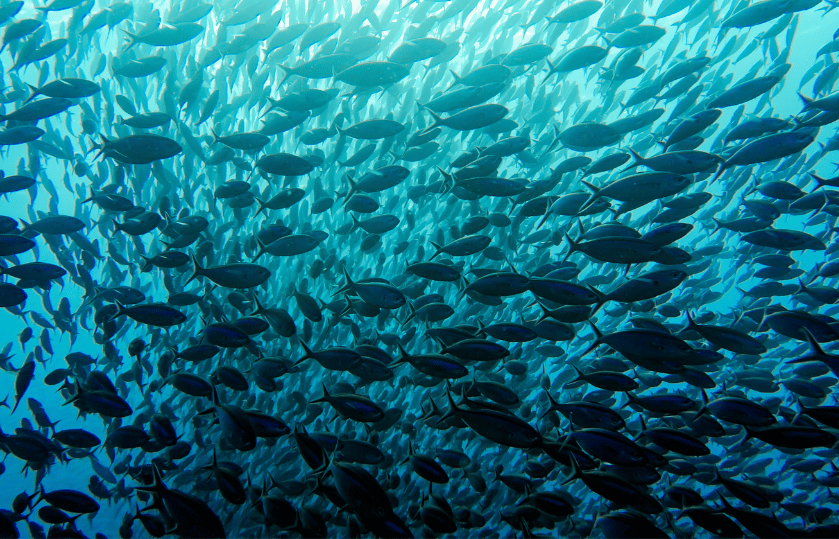
Wild-capture fisheries have long played an important role in national seafood production, marine environments, and local economies. More recently, sustainable aquaculture has emerged as a complementary sector to maintain healthy wild fishery populations and strengthen U.S. food systems. State lawmakers have been working in recent years to bolster the sustainable development of fisheries and aquaculture to improve economic opportunity, food security, and long‑term ocean health. Recent examples include California, which is launching a statewide plan for sustainable commercial aquaculture, and Washington, which has introduced an innovative bill (HB 1806) to ensure commercial fishing revenue benefits communities most dependent on the industry.
In 2026, NCEL staff expect states to deepen their focus on sustainable fisheries and aquaculture by advancing bills to boost investment in port infrastructure, address permitting reform issues, and support state fishery management and monitoring efforts.
- 2026 Policy Outlook: At least 19 states have introduced bills to support sustainable fisheries and aquaculture.
NCEL Resources:
- Briefing Book: Healthy Ocean and Coasts
- Fact Sheet: Atlantic Menhaden
- Fact Sheet: Offshore Wind Coexistence
Zero Waste
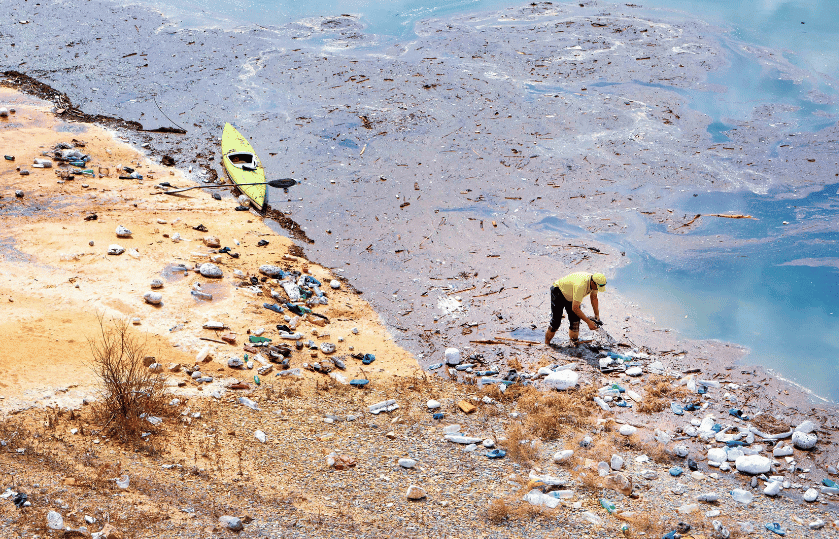
Addressing plastic pollution and advancing zero-waste solutions has remained a key focus for states in recent years. With plastic production having increased sharply in recent decades and the U.S. currently recycling only 5% of plastics, states have been taking more comprehensive approaches to address the full life cycle of plastics.
Some of the primary policy approaches advanced by states in recent years include Extended Producer Responsibility (EPR) programs and Deposit Return Systems to reduce litter and improve recycling rates, as well as single-use bans to prevent plastics from entering the waste stream altogether. At least 31 states introduced zero-waste legislation in 2025 — including Washington State’s new EPR law — and NCEL expects states to pick up where they left off in the 2026 sessions.
- 2026 Policy Outlook: At least 26 states and territories have introduced bills to reduce plastic pollution, primarily via EPR programs, Deposit Return Systems, and single-use bans.
NCEL Resources:
- Report: Zero Waste Policy Roadmap for a Plastic-Free Future
- Policy Update: New Jersey Passes Strongest “Skip the Stuff” Legislation in the Country
- Policy Update: Washington State Passes EPR for Packaging
- Fact Sheet: EPR for Packaging

Toxic Chemical Protections (PFAS)
PFAS, known as “Forever Chemicals,” have become a major legislative priority for states as more research recognizes their hazardous impact on water, soil, and public health. These persistent chemicals are found in a wide range of everyday items and present severe health risks, including cancer and developmental issues.
In 2025, at least 10 states enacted legislation to limit PFAS exposure across a range of sources, including menstrual products, cosmetics, food packaging, and children’s items. In 2026, more states are expected to introduce both broad and targeted PFAS protections, as bipartisan support for the issue gains traction.
- 2026 Policy Outlook: At least 22 states have introduced bills to reduce exposure and mitigate the health impacts of PFAS Forever Chemicals.
NCEL Resources:
- Policy Options: PFAS
- Policy Update: Confronting Forever Chemicals: States Continue to Lead the Way
- Policy Update: New York to Ban PFAS and Other Toxins From Menstrual Products
- Article: Food Chemical Safety and State Leadership

Watershed Health (Nutrient Pollution & Flood Resilience)
Reductions in federal support for healthy waterways combined with intensifying weather events and aquatic pollution are driving a shift toward state-led watershed initiatives. As extreme weather intensifies, heavier rains are pushing more nitrogen and phosphorus from manure and fertilizers into waterways (i.e., nutrient pollution) — the primary driver of the massive aquatic “dead zone” in the Gulf of Mexico. However, water quality is only half the challenge. Flood resilience is vital to decrease the damage caused by intensifying storms, and proactive planning is allowing states to reduce the impacts on people and infrastructure when major weather events strike.
To help fill gaps presented by proposed rollbacks to federal disaster response support and waterway protections, NCEL staff expect states to deepen their focus in 2026 on policy solutions that both address nutrient pollution and improve flood resilience along the nation’s waterways.
- 2026 Policy Outlook (Nutrient Pollution): At least five states have introduced legislation to reduce the presence and impacts of nutrient pollution in waterways.
- 2026 Policy Outlook (Flood Resilience): At least six states have introduced legislation to improve flood resilience along waterways.
NCEL Resources:
- Cross-State Momentum: State Legislators Urge EPA and Army Corps of Engineers to Retain Strong Water Protections
- Fact Sheet: Nutrient Pollution
- Fact Sheet: Mississippi River Flood Resilience
On the Horizon in 2026
As states move through their 2026 legislative sessions, lawmakers are already advancing a wide spectrum of environmental policies. Looking ahead, NCEL will continue to focus on providing legislators and other policy professionals with timely, nonpartisan resources that make it easier to navigate this rapidly evolving landscape.
We encourage you to use the following NCEL resources for year-round insights on environmental policy from the states:
- Bill Tracking: NCEL’s Bill Tracking Map offers weekly updates on environmental legislation across all 50 states and 40+ different policy topics.
- Issue Pages: Our Issue Pages provide clear, accessible overviews of key policy areas.
- Resource Center: Our growing Resource Center helps you stay informed and connected to emerging policy solutions through Briefing Books, Fact Sheets, Policy Options, and more.