Policy Options
Young Farmer Policy Options
July 27, 2021
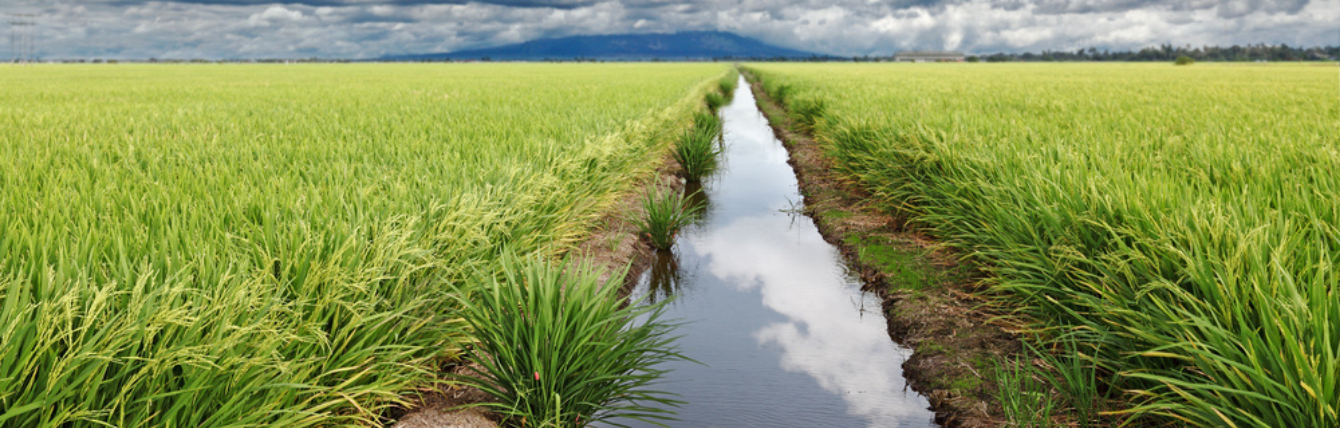
Nutrient pollution occurs when an overabundance of nutrients, like nitrogen and phosphorus, enters the water system. High quantities can lead to an overgrowth of algae and decrease the oxygen that fish and other aquatic life need to survive. The primary sources of excess nutrients are (1) runoff from fertilizers and animal manure, (2) discharges from sewage systems, (3) stormwater runoff, and (4) fossil fuels. Nutrient pollution is also detrimental to human health and the economy: it contaminates drinking water, leads to commercial fishing losses, and impacts recreational activities. Water bodies in every U.S. state are impacted by nutrient pollution, with many states now implementing nutrient reduction strategies to support local communities and economies.
Excess nutrient runoff from agricultural lands, stormwater, wastewater, and residential areas can be detrimental to human health, local economies, and aquatic life. (EPA)
Millions of Americans rely on groundwater for drinking water sources. Nutrient contamination of this drinking water — even at low levels — can be harmful to human health, particularly for infants. (EPA)
The Mississippi River has the third-largest drainage basin in the world, with around 40% of land in the continental U.S. draining into the Mississippi. Increasing rates of nutrient pollution in the river are putting economic activities such as tourism, farming, and transportation at risk. This pollution is also creating a large “dead zone” in the Gulf of Mexico that threatens aquatic species. (U.S. Army Corps of Engineers)
Farmers can address nutrient pollution in waterways by adopting nutrient management techniques, planting field buffers, supporting healthy soils, and applying conservation practices. State governments can support farms in these efforts by providing funding, technical assistance, and educational information to farmers.

Your donation funds the fight for equitable actions that protect the environment and our health.
Donate