Fact Sheet
Community Solar Fact Sheet
December 1, 2023
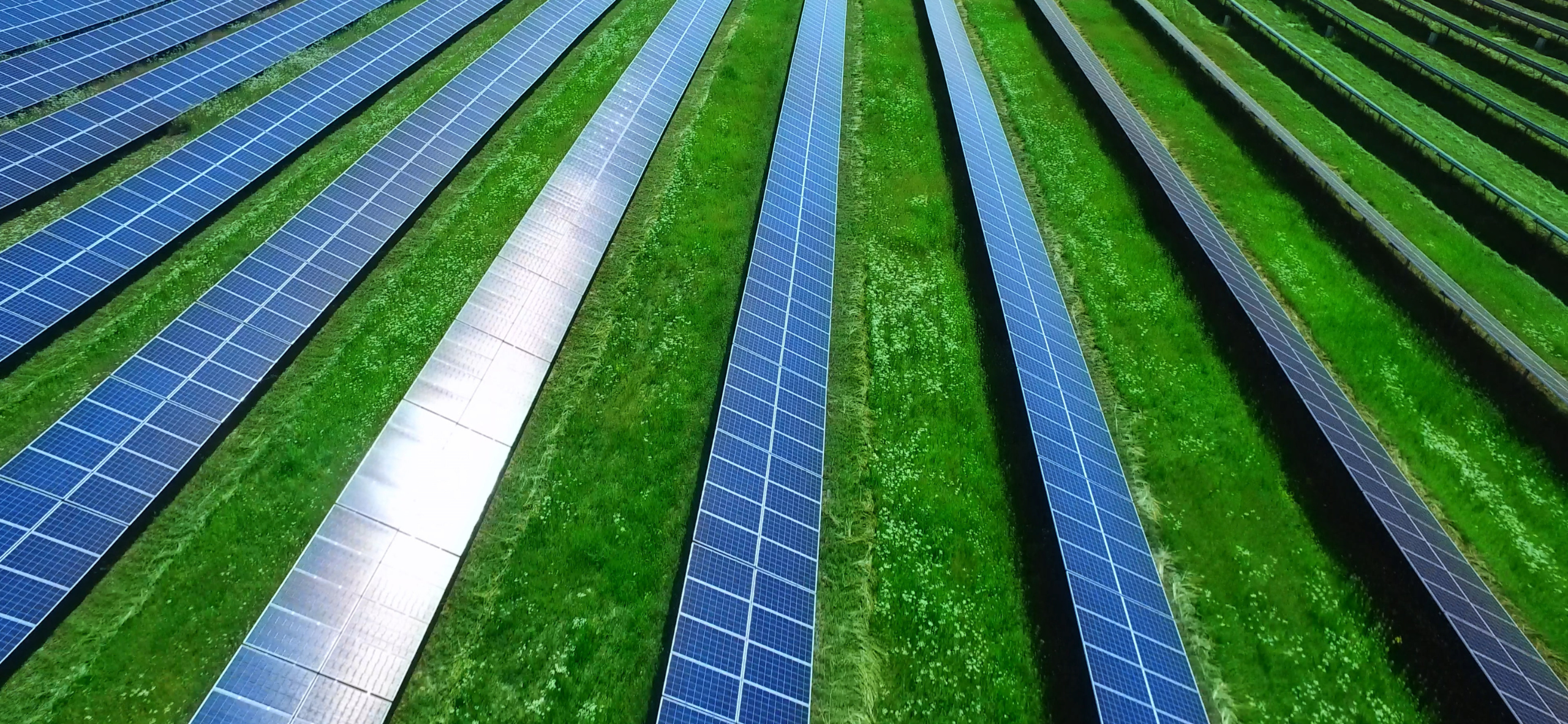
Agrivoltaics — pairing solar energy generation and agriculture on the same land — is emerging as a strategy for states to expand clean energy while supporting working lands and local economies. Agricultural land accounts for roughly 43% of the total land used in the lower 48 states. By combining renewable energy with agricultural operations, agrivoltaics can diversify farm income, improve land efficiency, strengthen climate resilience, and contribute to successful farmland conversion. As electricity demand grows and states pursue clean energy goals, states are adopting a range of approaches to support agrivoltaics.
Agrivoltaic systems can reduce water requirements for crops by 40% while increasing overall farm productivity by up to 30%. (Environmental Defense Fund)
Converting less than 1% of U.S. agricultural land to agrivoltaics could meet 20% of the country’s energy needs. (U.S. Department of Agriculture)
Sheep raised in an agrivoltaic project produce roughly 25% less greenhouse gas emissions than conventionally grazed sheep. (Kleinman Center for Energy Policy)
‘**’ indicates bipartisan sponsorship
**Colorado SB23-092 (Enacted 2023): Authorizes (1) the integration of solar energy generation facilities with agricultural activities and (2) grants for agrivoltaics research and development.
Maryland H.B.1039 (Enacted 2022): Exempts agrivoltaics from personal property taxes.
**Nevada A.B.479 (Enacted 2025): Updates property tax laws to recognize agrivoltaic purposes as a qualifying use under agricultural property tax assessment.
**Oklahoma H.B.2157 (Passed 2025): Would establish (1) an advisory committee on agrivoltaic policies and (2) the Oklahoma Agrivoltaics Cash Revolving Fund to finance projects.
**Virginia HB508/SB340 (Enacted 2026): Establishes a statewide definition of agrivoltaics that defines agrivoltaics as solar development that (1) supports ongoing agricultural production, (2) keeps land in active use, and (3) allows existing farm businesses to continue selling agricultural products.

Your donation funds the fight for equitable actions that protect the environment and our health.
Donate