
Briefing Book
Healthy Ocean and Coasts Briefing Book
January 28, 2025
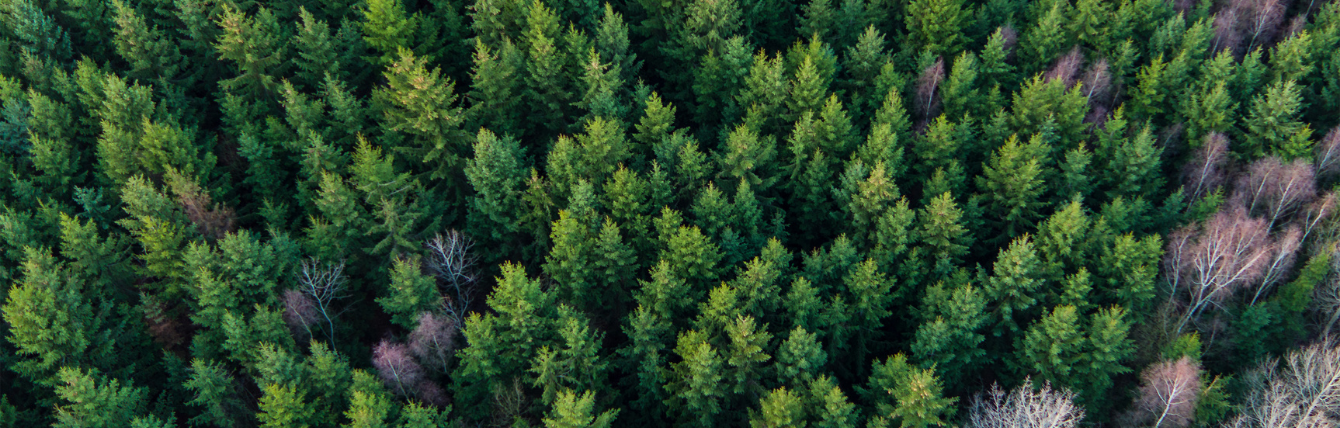
Nature-based solutions involve working with nature to address societal challenges, improve biodiversity, and support human health and well-being. These solutions help protect, restore, or manage coastal ecosystems and working lands, while integrating nature into the built environment. Healthy ecosystems, such as forests, soil, and seagrass, naturally sequester excess carbon in the atmosphere and produce important co-benefits, such as improved water quality or nursery habitats. Urban forests reduce urban heat island effects and provide recreational space for local communities. Coral reefs, mangrove forests, and cobble berms help protect coastlines from extreme weather events, flooding, and sea-level rise.
Policy pathways can promote the use of nature-based solutions — as opposed to typical “grey”, industrial infrastructure — to preserve natural ecosystems, combat climate change, and protect communities. States can employ a suite of policy options to advance nature-based solutions, including: (1) adding nature-based solutions to a state’s climate policy or portfolio, (2) conserving coastal and working lands to sequester carbon, (3) employing smart forest management policies, and (4) streamlining permitting processes for nature-based environmental restoration projects.
Land sinks — such as forests and grasslands — currently sequester 26% of emissions. Conservation and improved land management can enhance this natural sequestration capacity.
Oceans have absorbed at least 90% of the excess heat generated by recent climate changes and have absorbed up to 20-30% of human-generated carbon dioxide since the 1980s.
Deforestation, wetlands destruction, and soil degradation increase greenhouse gas emissions, but there are ways to reverse these trends and enhance natural ecosystem health to sequester carbon.